
Description
Game Introduction
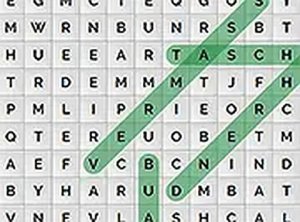
Daily Word Search Puzzle is a word search game that provides a new puzzle each day. The game is designed for German language learners and puzzle enthusiasts. Each daily level contains a grid of letters with hidden German words to find. The objective is to locate all the words from a provided list. This game combines fun with learning, making it a suitable mental exercise for all ages. It runs directly in a web browser, so no downloads or installations are needed. Players can enjoy it on mobile devices or desktop computers. The simple mechanics and daily updates keep the experience fresh and engaging.
How to Play
Players begin each puzzle by reviewing the list of words to find. The words are hidden in a grid of letters. They may be arranged horizontally, vertically, or diagonally, and can be spelled forwards or backwards. To select a word, players click or tap on the first letter and drag across the grid to the last letter. When a word is correctly highlighted, it is marked as found. The goal is to discover all words on the list. The game offers a full-screen mode for a more focused view. There are no time limits or penalties, so players can proceed at their own pace.
Game Features
Daily Word Search Puzzle offers a new puzzle every day, ensuring fresh content. The game focuses on German vocabulary, serving as an educational tool for language learners. It is mobile-friendly and works on various devices without requiring any downloads. The game runs directly in the browser. A full-screen mode is available for an enhanced view. The controls are simple and accessible for all age groups.
Tips for Success
To improve skills, practice regularly by solving the daily puzzles. Scan the grid systematically, looking for common letter patterns. Starting with shorter words can build confidence. Using full-screen mode helps reduce distractions. Since there is no time pressure, taking time to enjoy the process is beneficial. Revisiting previous puzzles can reinforce vocabulary retention.










Player Comments
Sign in to comment
You must be logged in before posting a review or rating.
No account? Create one
No comments yet. Be the first to comment!