
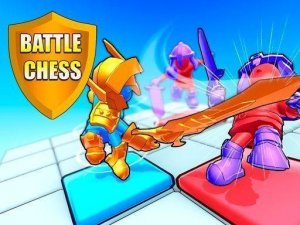
Description
Core Gameplay Loop
At its heart, Tactical Merge: Chess Board Strategy asks players to think several steps ahead. Each turn, you select two adjacent pieces on the board to combine into a single, more powerful unit. The opponent does the same on their turn. This back-and-forth creates a rhythm where every decision matters. Unlike many puzzle games that rely on speed, this one rewards patience and foresight. The board itself changes after each merge, so players must constantly reassess the layout.
Strategic Depth Without Complexity
The rules are simple enough for newcomers to grasp quickly. Yet, the game offers layers of strategy that become apparent after a few matches. Players must decide when to merge aggressively to build strength and when to hold back to block the opponent. Sometimes, sacrificing a weaker piece can open up a better position later. This balance between offense and defense keeps matches engaging from start to finish.
Dynamic Board Design
Each match begins with a fresh board arrangement, ensuring no two games feel the same. The starting positions of pieces influence the early decisions players make. As merges occur, the board evolves, creating new opportunities and challenges. This dynamic nature encourages players to adapt their strategies on the fly. It also prevents the game from becoming repetitive, as each session presents a unique puzzle to solve.
Accessible for All Ages
Designed with families in mind, Tactical Merge: Chess Board Strategy contains no violent or inappropriate content. The focus is entirely on intellectual challenge and friendly competition. Children can learn basic strategic thinking, while adults will find enough depth to stay entertained. The turn-based format allows players to take their time, making it suitable for casual play sessions.
Building Long-Term Skills
Regular play helps develop pattern recognition, planning, and decision-making abilities. Players learn to anticipate opponent moves and think several turns ahead. These skills transfer to other strategy games and even real-life problem-solving. The game encourages a calm, analytical approach rather than quick reactions. Over time, players naturally improve their ability to evaluate complex situations.









Player Comments
Sign in to comment
You must be logged in before posting a review or rating.
No account? Create one
No comments yet. Be the first to comment!