

Description
Core Arena Mechanics
This local multiplayer title focuses on direct competition between two players sharing the same screen. The central action revolves around vertical positioning and precise timing. Players must anticipate their opponent's movements while controlling their own character's jumps and dashes. The arena stays small to keep encounters intense and force quick decisions. Each match rewards players who can read their rival's patterns and adapt on the fly.
Control Scheme and Accessibility
Both keyboard and controller inputs are supported, allowing each player to choose their preferred setup. The first player uses standard WASD keys for movement and jumping, with additional keys for dashes. The second player relies on arrow keys for navigation and a dedicated button for dashes. This dual-input approach ensures that neither player has an advantage based on their hardware. The learning curve stays gentle, so newcomers can compete without extensive practice.
Visual Style and Atmosphere
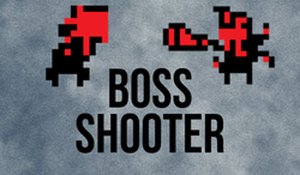
Bright colors and simple character designs create a welcoming environment suitable for all ages. The backgrounds remain uncluttered to keep focus on the action. Animations are smooth but not distracting, emphasizing clarity over flashy effects. This visual approach supports the game's family-friendly nature, making it appropriate for gatherings where younger players might be present.
Session Structure and Replay Value
Matches are designed to be short, typically lasting only a few minutes. This format encourages repeated play sessions as players try different strategies. The lack of complex progression systems means every round starts fresh, keeping the focus on skill and adaptation. Friends can quickly settle scores or rotate in new challengers without long waits between games.
Strategic Depth in Simple Rules
Despite the easy-to-learn controls, there is room for tactical thinking. Players must decide when to be aggressive and when to hang back. Dashes can be used to evade incoming attacks or to reposition for a better angle. Observing an opponent's habits becomes a key skill, as predictable patterns can be exploited. The balance between offense and defense keeps matches engaging even after many rounds.

Player Comments
Sign in to comment
You must be logged in before posting a review or rating.
No account? Create one
No comments yet. Be the first to comment!