
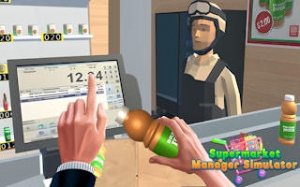
Description
Starting Your Retail Venture
In Retail Store Tycoon, players begin with a modest shop and a basic selection of products. The early phase focuses on understanding customer preferences by observing which items sell quickly and which linger on shelves. This data guides decisions about which suppliers to approach and what quantities to order. The game provides clear feedback on sales trends, allowing players to adjust their approach without guesswork. The initial setup is straightforward, making it easy for newcomers to grasp the core mechanics while offering enough depth to keep experienced players engaged.
Stocking Strategies and Supplier Relations
Building a reliable supply chain is central to success. Players negotiate with multiple vendors to secure fresh produce, packaged goods, and other essentials. Each supplier offers different pricing, delivery times, and product quality. Balancing these factors requires careful thought: ordering too much leads to waste, while too little results in empty shelves and lost sales. The game tracks inventory levels in real time, sending alerts when stock runs low. Over time, players can unlock exclusive deals and bulk discounts by maintaining strong relationships with their most dependable partners.
Store Layout and Customer Flow
As revenue increases, players can invest in store expansions and layout improvements. Adding new aisles, rearranging shelves, and creating dedicated sections for popular categories like fresh produce or snacks can boost customer satisfaction. The game simulates shopper movement, so placing high-demand items near the entrance or checkout can influence purchasing behavior. Strategic layout changes also help reduce congestion during busy periods, ensuring a smoother shopping experience. These upgrades are not just cosmetic; they directly impact sales and customer retention.
Financial Management and Growth
Every decision in Retail Store Tycoon affects the bottom line. Players must track daily expenses, including rent, employee wages, and restocking costs, while setting competitive prices to attract shoppers. The game includes a detailed profit-and-loss statement that breaks down revenue sources and costs. This transparency helps players identify areas for improvement, such as reducing waste or adjusting pricing on slow-moving items. Reinvesting profits wisely is key to unlocking new opportunities, like adding a deli counter or expanding into a second location.
Customer Satisfaction and Feedback
Happy customers are the lifeblood of any retail business. The game provides regular feedback through satisfaction scores and customer comments. Factors like product variety, store cleanliness, and checkout speed all contribute to overall satisfaction. Players who ignore these metrics may see a decline in foot traffic and revenue. Responding to feedback by stocking requested items or improving store ambiance can turn casual shoppers into loyal regulars. This system encourages players to think beyond simple profit maximization and consider the broader customer experience.
Long-Term Progression and Goals
Retail Store Tycoon rewards patience and strategic planning. The journey from a single shop to a multi-location chain unfolds gradually, with each expansion bringing new challenges. Players can set personal goals, such as reaching a certain revenue target or achieving a perfect satisfaction score. The game does not impose strict deadlines, allowing for a relaxed pace that suits players who enjoy methodical growth. This sense of steady progress, combined with the satisfaction of seeing a small business flourish, makes the simulation deeply rewarding.
















Player Comments
Sign in to comment
You must be logged in before posting a review or rating.
No account? Create one
No comments yet. Be the first to comment!